![Titanium Price Per Pound: A Complete Guide! [2025]](https://d2qmpkxixrzf8g.cloudfront.net/Extres/Img/wp-content/uploads/2025/06/Commercial-Pure-Ti.jpeg "Commercial Pure Ti")
Titanium Price Update Q2 2026
Last updated: April 2026 | Xmake Engineering Team
- Commercially pure titanium (Grades 1-4): $8-$15 per pound
- Aerospace-grade Ti-6Al-4V (Grade 5): $20-$35 per pound
- Titanium scrap (mixed grades): $2-$5 per pound
Prices reflect typical industrial procurement ranges for standard mill forms in 2026 and may vary depending on order volume, material form, and market conditions. Small-quantity orders, tight tolerances, and aerospace or medical certifications (e.g., AMS, DFARS) typically carry significant premiums. Contact suppliers for current quotations.
Titanium is widely known for its strength, light weight, and exceptional corrosion resistance, making it indispensable across industries like aerospace, medical, and marine engineering. As global demand rises, so does interest in the cost of this high-performance metal, especially for buyers and engineers seeking current, reliable pricing.
This guide offers a complete overview of the titanium price per pound in 2026, helping professionals make informed sourcing decisions.
What Is Titanium?
Titanium (Ti) is a strong, low-density metal with a silvery-gray appearance, prized for its exceptional strength-to-weight ratio and outstanding corrosion resistance. Naturally found in minerals like ilmenite and rutile, it undergoes complex extraction and refinement processes to become commercially usable.
It's non-toxic, biocompatible, and highly durable, which is why it’s extensively used in high-performance applications—from jet engines and surgical implants to electric vehicles and architectural structures.
What Is the Current Titanium Price Per Pound (2026)?
As of Q2 2026, the price of titanium per pound varies depending on its grade, form, and purity.
Commercially pure titanium (Grades 1-4), often used in chemical processing and architectural applications, typically ranges from $8 to $15 per pound.
Titanium alloys, especially the widely used aerospace-grade Ti-6Al-4V (Grade 5), can command prices between $20 and $35 per pound, due to their enhanced strength and temperature resistance.
Titanium scrap generally trades between $2 and $5 per pound, depending on quality, alloy composition, and regional demand.
The titanium market continues to see sustained demand from aerospace, defense, and medical sectors in 2026. Ongoing supply chain adjustments and geopolitical factors affecting raw material availability have kept prices elevated compared to pre-2020 levels. Buyers sourcing titanium in 2026 should expect continued price volatility, particularly for aerospace-grade alloys.
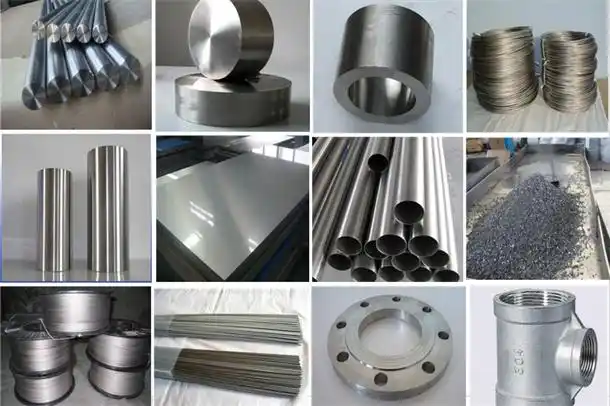
Image: Different Grades and Forms of Titanium
Titanium Variants and Their Application Value
This section explores Titanium distinct categories, unveiling their tailored properties and wide-ranging applications.
Commercially Pure Titanium Grades (Grade 1–4)
Commercially pure titanium is known for its excellent corrosion resistance, ductility, and biocompatibility. Grades 1 to 4 vary primarily in oxygen content, with Grade 1 offering the highest ductility and Grade 4 the greatest strength.
These materials are widely used in applications such as desalination equipment, chemical processing systems, and medical implants, where extreme strength is not required but corrosion resistance is critical. Their relatively simple composition also allows for easier fabrication and welding, making them a practical choice for large-scale industrial use.
Titanium Alloys (e.g., Ti-6Al-4V / Grade 5)
Titanium alloys like Ti-6Al-4V (Grade 5) are engineered for superior mechanical performance, including high tensile strength, fatigue resistance, and excellent performance at elevated temperatures.
These alloys are essential in high-stakes applications such as:
- aerospace components
- turbine blades
- high-performance automotive parts
- orthopedic implants
The alloying elements—aluminum for strength and vanadium for toughness—enable these materials to perform under extreme conditions. While more costly to produce, their reliability and strength-to-weight ratio offer unmatched value in precision-engineered environments.
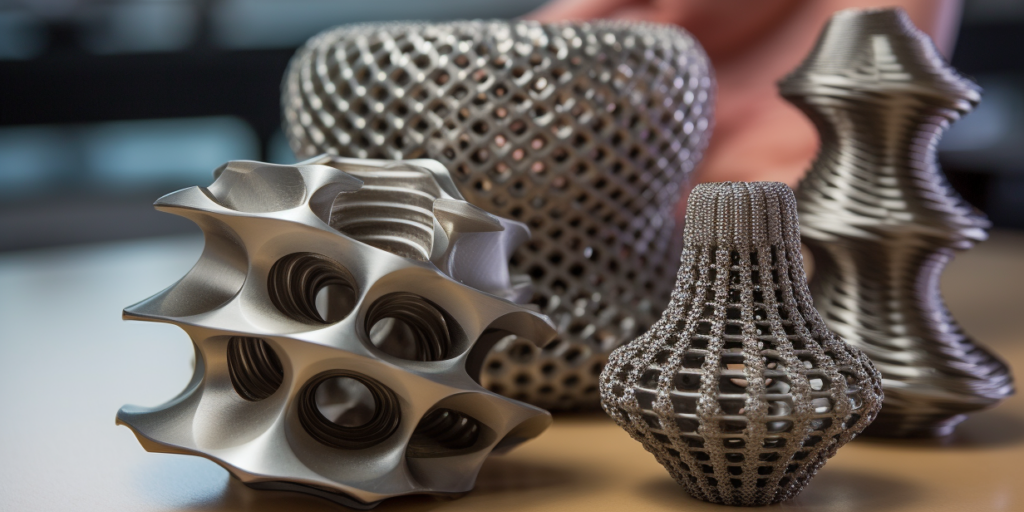
In recent years, titanium alloys have also gained traction in metal additive manufacturing (metal 3D printing), particularly in aerospace and research applications where complex geometries and lightweight structures are critical. Titanium powder forms like Ti-6Al-4V are widely used in selective laser melting (SLM) and electron beam melting (EBM) technologies.
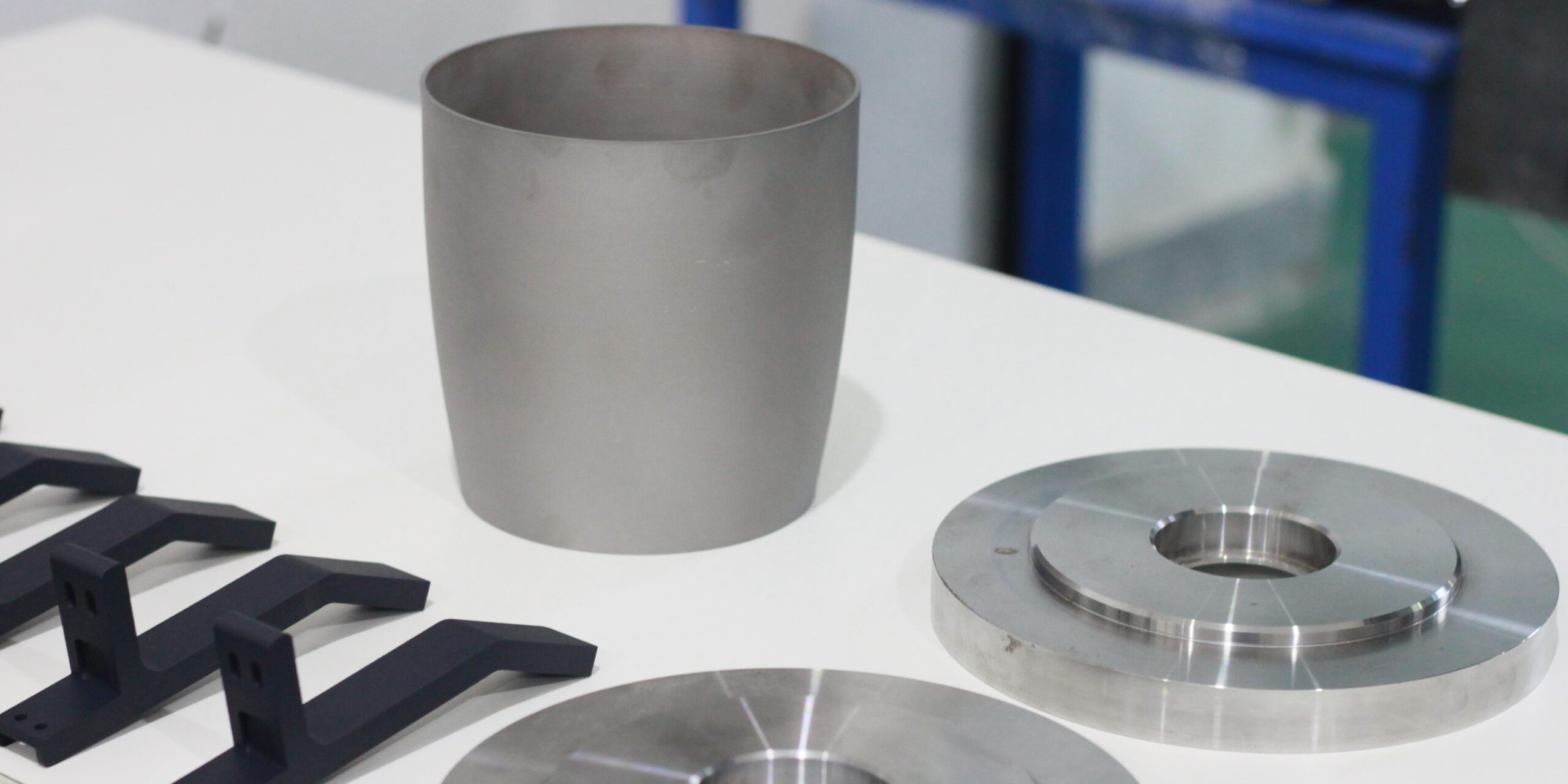
Image: Titanium 3D Printing Parts for a Rocket Project with Xmake
Historical Price of Titanium (2000–2026)
Titanium prices have fluctuated significantly over the past 25 years, shaped by global demand cycles, raw material constraints, and industrial innovation.
- In the early 2000s, titanium traded at relatively low prices—around $2 to $3 per pound – due to modest demand and a limited range of high-volume applications.
- However, by the mid-2000s, rapid growth in the aerospace and defense sectors led to a surge in demand, causing prices to peak above $6 to $8 per pound around 2006–2007.
- The 2008 global financial crisis temporarily disrupted this trend, leading to an abrupt contraction in both titanium production and consumption.
- From 2010 to 2020, titanium prices stabilized within the $4 to $7 per pound range, supported by steady but controlled industrial usage and improved global supply chains.
- The COVID-19 pandemic in 2020 briefly suppressed demand, but recovery was swift, especially as governments invested in infrastructure and aerospace rebounded.
Between 2021 and 2025, prices gradually climbed again, with commercially pure titanium averaging $6 to $9 per pound, and aerospace-grade alloys surpassing $25 per pound in some markets. This upward trend reflects not only rising global demand but also increasing production costs, geopolitical trade frictions, and a growing emphasis on high-quality, traceable supply in advanced manufacturing sectors.
Into 2026, prices have continued to reflect elevated demand and constrained supply. Commercially pure titanium now averages $8-$15 per pound, with aerospace-grade Ti-6Al-4V reaching $20-$35 per pound in standard mill formsmarking a notable increase from pre-pandemic benchmarks and underscoring the structural shift in titanium market dynamics.
| Year | CP Titanium ($/lb) | Ti-6Al-4V ($/lb) |
|---|---|---|
| 2000-2005 | $2-3 | $4-6 |
| 2006-2007 | $6-8 | $12-15 |
| 2010-2020 | $4-7 | $10-18 |
| 2021-2023 | $6-9 | $18-25 |
| 2024-2025 | $7-12 | $22-30 |
| 2026 (Q2) | $8-15 | $20-35 |
Read more: 3D Printing Cost: A Complete Guide! [2025]
Factors Affecting The Cost of Titanium
1. Supply Chain and Raw Material
Titanium is primarily extracted from minerals like ilmenite (FeTiO₃) and rutile (TiO₂), which are geographically concentrated and subject to mining regulations, export restrictions, and geopolitical instability. Disruptions in these supply chains can significantly affect the availability of titanium sponge and refined materials.
In addition, the processing of titanium is energy-intensive and capital-heavy, which limits the number of global producers and amplifies price sensitivity when supply is tight. Limited upstream capacity often translates into cost volatility in downstream markets.
2. Demand from Strategic Industries
Titanium's demand is heavily influenced by industries that require advanced material performance, especially aerospace, defense, medical devices, and renewable energy.
A rise in aircraft production, military procurement, or the expansion of offshore wind projects can drive rapid increases in titanium consumption.
For example, geopolitical tensions, such as the U.S. defense shift toward Indo-Pacific deterrence, have driven higher titanium demand for military jets and submarines, tightening global supply and contributing to price volatility.
3. Energy and Manufacturing Costs
Producing titanium requires complex and energy-intensive processes, including the Kroll process to convert titanium ore into sponge and subsequent melting or forging steps to form usable shapes. Energy prices directly affect production costs, making titanium prices highly sensitive to fluctuations in global energy markets.
Labor costs, environmental compliance, and advanced machining or additive manufacturing capabilities further add to the overall price. As manufacturers aim to reduce carbon emissions, shifts toward cleaner but costlier energy sources may also influence titanium's future pricing structure.
4. Titanium Scrap Recovery
Titanium recycling is becoming increasingly important in managing costs and reducing environmental impact. High-value scrap, such as aerospace-grade offcuts, can be reprocessed and reused, offering a more economical alternative to virgin titanium.
As circular manufacturing practices gain traction, efficient scrap recovery systems are helping to stabilize material availability and limit excessive price volatility.
However, the value of scrap titanium still depends heavily on purity, traceability, and alloy composition, which can cause pricing discrepancies within the secondary market.
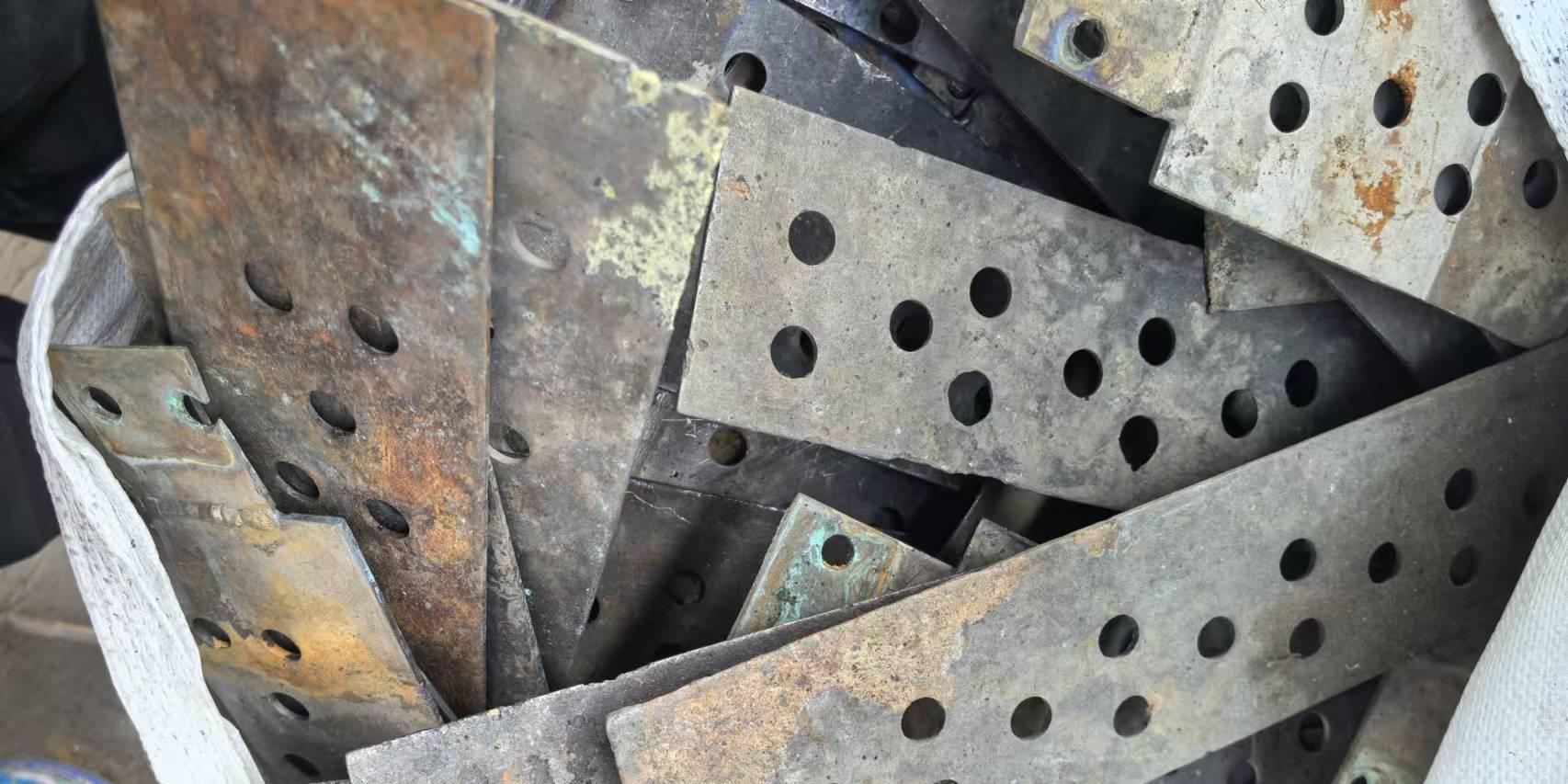
Image: Titanium Scrap
Practical Buying Guide for Titanium
1. Selecting the Right Grade and Form
Choosing the appropriate titanium grade is essential to balance performance and cost. Commercially pure titanium (Grades 1–4) is ideal for corrosion-resistant and lightweight needs, while alloyed grades like TiAl6V4 are preferred in high-stress, high-heat environments. Buyers must also consider the material form, such as sheet, bar, plate, or powder, based on their intended manufacturing processes.
2. Evaluating Supplier Certification
For industries such as aerospace, medical, or energy, traceability and material certification are non-negotiable. Buyers should ensure that suppliers provide full documentation and certifications. These measures not only guarantee quality but also help mitigate regulatory and safety risks.
3. Balancing Price Against Lead Time
Titanium sourcing often involves trade-offs between price and availability. While international suppliers may offer lower costs, they frequently come with extended lead times or complex import logistics. For time-sensitive projects, it's often more practical to pay a premium for local or regional suppliers that can deliver faster and respond to changes in demand.
4. Post-Processing Costs
Titanium's poor thermal conductivity and work-hardening tendencies make it difficult to machine, which can increase fabrication costs.
Buyers should account for downstream processing requirements, such as CNC precision work, surface finishing, industrial laser marking for traceability, or heat treatment, when budgeting for total project cost. In some cases, selecting near-net-shape components or additive manufacturing can reduce waste and machining complexity.
5. Monitoring Market Volatility in 2026
Given the elevated and fluctuating price environment in 2026, buyers are advised to establish blanket purchase orders or long-term supplier agreements to lock in pricing. Spot purchasing in a volatile market can result in significant cost overruns, particularly for aerospace-certified grades.
Conclusion
Titanium's price per pound in 2026 reflects a complex interplay of material grade, global demand, regional supply chains, and industry-specific needs.
At Xmake, we help businesses stay ahead of these market dynamics through our advanced Titanium 3D Printing services, offering high-performance, aerospace-grade parts with precision and speed.
FAQs
1. How much does 1kg of titanium cost?
In 2026, the price for 1 kilogram of titanium alloy like TC4 (Ti-6Al-4V) is approximately $35 USD, based on current market rates in China. Prices can vary depending on grade, form, and supplier terms.
2. How much is 10 lbs of titanium worth?
In 2026, 10 pounds of titanium could be worth anywhere from $20 to $350 USD. Lower prices apply to scrap or pure grades, while higher-end figures reflect premium alloyed forms used in aerospace or medical applications.
3. What is the price of titanium today?
In 2026, commercially pure titanium (Grades 1-4) typically ranges from $8 to $15 per pound, aerospace-grade Ti-6Al-4V (Grade 5) runs $20 to $35 per pound, and scrap titanium trades between $2 and $5 per pound depending on quality and certification.
4. Why is titanium more expensive than steel?
Titanium costs 5-10x more than steel per pound for three main reasons:
- Complex extraction: The Kroll process to convert titanium ore into usable metal is energy-intensive and capital-heavy.
- Limited production: Only a handful of global facilities produce titanium sponge, limiting supply flexibility.
- High demand: Aerospace, defense, and medical sectors compete for the same limited supply, keeping prices elevated.