System upgrade reminder, Homepage update.
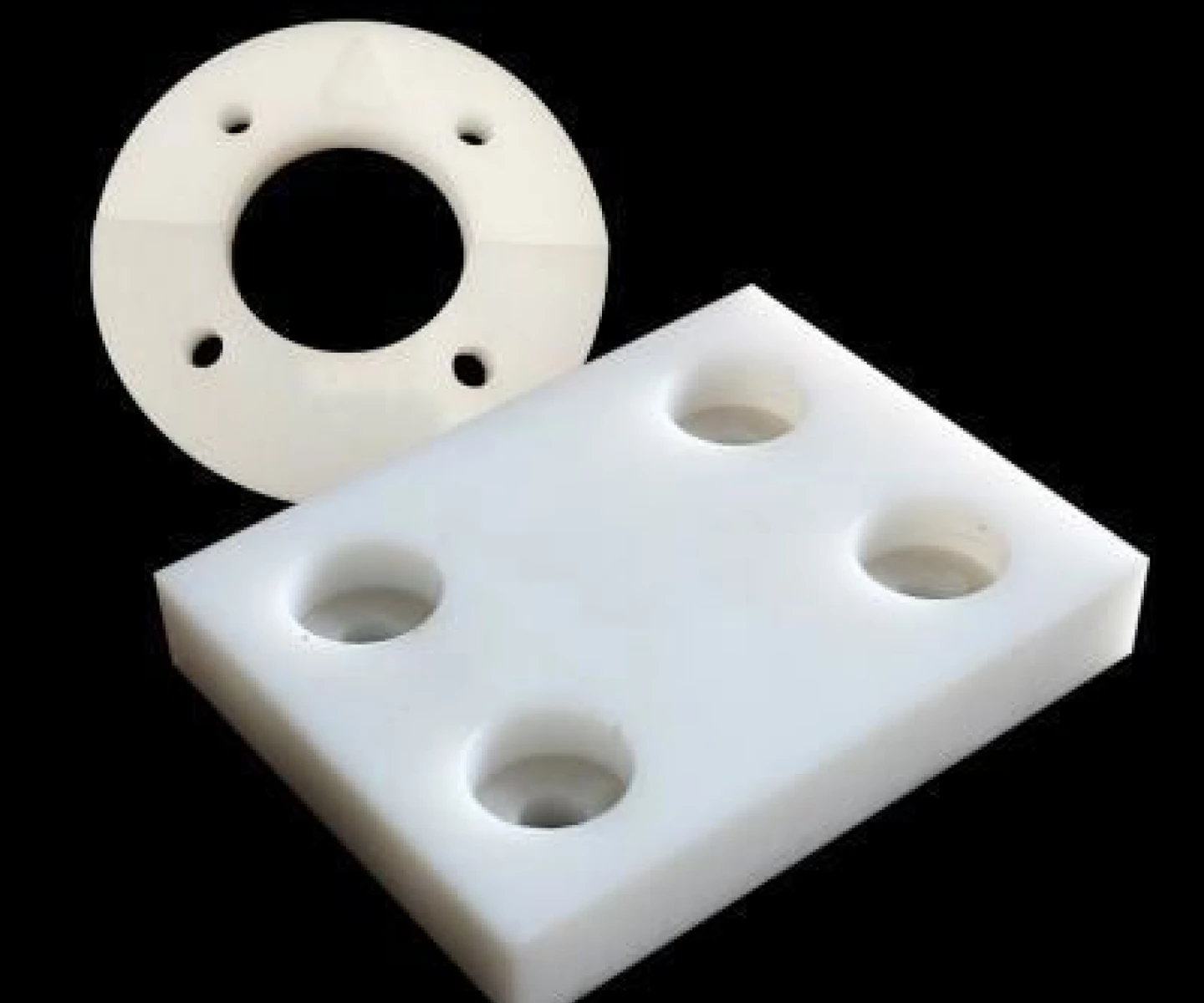
PP is an engineering plastic that combines excellent fatigue resistance, lightweight properties, and good chemical and corrosion resistance. It is an ideal material for live hinges and is commonly used in structural components requiring repeated opening and closing or subjected to light to moderate impact loads.

priceRating
★★★★★
machinability
Moderate
wallThickness
≥ 1.5 mm
tolerance
±0.05 mm–±0.10 mm

Description
Lightweight structural components, live hinges, chemical-resistant containers
Adhesion can be enhanced through flame or plasma treatment.
PP does not support machining high-precision parts, lacks sufficient rigidity, and has poor weather resistance.
Select from our full range of materials for your application.
PP-H (Homopolymer) is a polypropylene material characterized by high rigidity, excellent dimensional stability, and superior chemical resistance. It is suitable for structural support components subjected to low impact loads under ambient temperatures.
Ready to start?
From material selection to machining capability — supporting reliable CNC Polypropylene parts production.
Polypropylene (PP) offers excellent toughness, fatigue resistance, and lightweight properties, making it particularly suitable for structural components that are weight-sensitive, require repeated opening and closing, or are subject to light to moderate impact loads.PP also exhibits good chemical and corrosion resistance, maintaining excellent stability in a wide range of chemical environments, including acidic and alkaline conditions. In CNC machining, PP presents significant processing challenges primarily due to its softness and high elasticity. Issues such as dimensional deformation and surface stringing often occur during machining.
Xmake provides professional PP CNC machining services, delivering high-quality PP structural components designed for repeated opening and closing or light-to-moderate impact loads. With an experienced engineering and machining team, we effectively address common challenges in PP machining—such as deformation, burr formation, and dimensional stability—ensuring consistent part quality and reliability. We also offer a range of surface finishing options compatible with engineering plastics, meeting both functional performance and appearance requirements.
Have more questions? Our engineering team is ready to help you find the right solution.

Building A, Jinsheng Finance Building, No. 217 Nanhuan Road, Bao'an District.
MAKE DIRECT HOLDINGS LIMITED Unit 1111, 11/F, Hollywood Plaza, 610 Nathan Road, Mong Kok, Kowloon, Hong Kong